As Fredericksburg begins to thaw from the winter storms, many of us are looking at our homes with fresh eyes and a long list of to-dos. Most people think of spring cleaning as getting the small things done around the house, like dusting off cabinets or organizing the garage, but have you taken a look at your home’s roof, siding, gutters, or deck lately? These are not chores that you can brush off; these home improvement projects ensure the safety and security of your largest investment: your home. At Fletcher Home, we help homeowners from Northern Virginia to Richmond prep for the spring season. Ready to get a project started? Join us at our Spring Fling event on Saturday, March 28th, 2026, at 10:00 AM to 3:00 PM in the Fletcher Home Improvement Showroom for live music, food, and professional advice to get your home ready for the spring season!
Checking up on your home does not have to be intimidating, but rather cost-effective! Keeping an eye on the condition of your roof, windows, deck, and other parts of your house prevents hefty expenses down the line. Understanding when these parts of your home require maintenance is important when being a homeowner. Below is a list of some of the most common parts of your home that should be checked up on during your spring cleaning routine.
The Roof:
When looking at your roof, multiple types of damage can be affecting it. Be on the lookout for:
- Missing or Damaged Shingles: These damages are often caused by strong winds blowing away your shingles.
- Leaks or Water Damage Near the Attic: Water stains on the ceiling are a clear sign of water leaking from your roof into your attic.
- Sagging Roofline: This indicates structural issues that should be addressed immediately, as this can cause irreparable damage to your home.
- Excessive Moss or Algae Growth: Organic growth can trap moisture between your shingles, accelerating the rate of rot
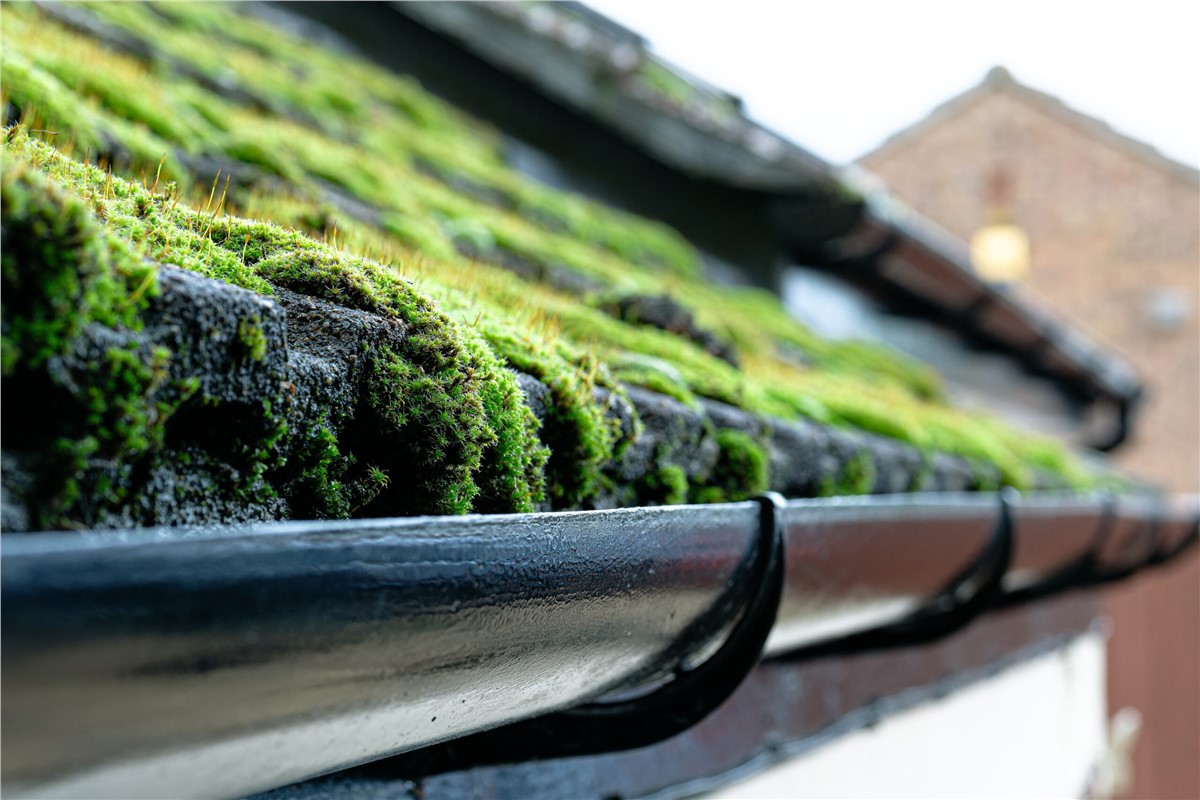
Depending on the material used for your roof, its lifespan can range from 15 to 100 years. Below is a list of the most common materials used for roofing and their average lifespan:
- Asphalt Shingles (3-tab): 15–20 years
- Wood Shingles: 20–40 years
- Metal Roofs: 40–70 years
- Clay Tiles: 50–100 years
The Windows:
There are more types of damage to look for than just cracks in your window panes. Here is a list of the following damages you should be aware of:
Drafts: Feeling the flow of air while the window is closed indicates the window is not sealed properly.
Condensation between Glass Panes: Fogging between glass panes highlights an ineffective seal.
Rot Forming on the Frame: This is often caused by trapped moisture seeping in.
Energy Bill is Higher than Normal: Having inefficient windows can increase the cost of your energy bill. Learn more about energy-efficient windows and the impact they have on your home.
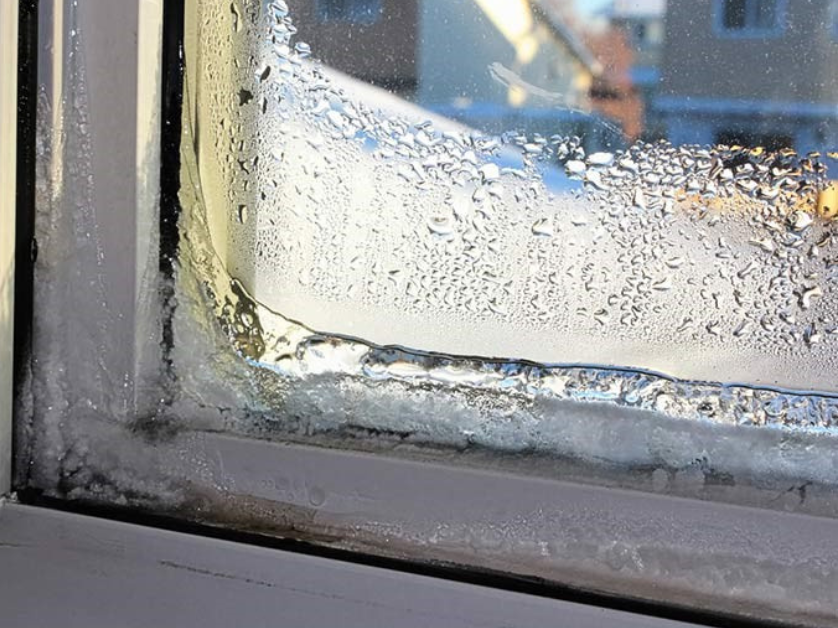
Windows lifespan can vary from 15 to 40 years. Below is a list of the common lifespan ranges for the different types of windows:
Fiberglass: 30–50 years
Vinyl: 20–40 years
Wood: 15–30 years
Aluminum: 15–30 years
Single-Pane: 10–20 years
The Gutters:
Gutters allow for water to flow from your roof onto the ground safely without causing any major damage to your home. If you notice any of the following with the gutters on your home, it may be time for a replacement:
Cracks, Holes, or Rust: Common signs of deterioration of your gutters, leading to inefficient draining.
Constant Clogs: Can be caused by excess algae or moss growth.
Pooling in the Gutters: Pooling happens when the waterways are clogged, and water cannot drain. This excess water leads to more weight, which can result in sagging gutters.
Depending on the material that is used for your gutters, their lifespan can range from 15 to 100 years. Below is a list of the most common materials used for gutters and their average lifespan:
Copper: 50–100 years
Stainless Steel: 50 years
Aluminum: 20–40 years
Galvanized Steel: 15–25 years
Vinyl/PVC: 10–20 years
The Siding:
Virginia’s humid summers and stormy springs can accelerate the aging of siding. If you notice any of the following on your home's exterior, it may be time for a siding replacement:
- Rot or Decay: This often occurs in wood siding when moisture is trapped for long periods, causing the material to soften and crumble.
- Cracks, Holes, or Warping: These are signs of physical deterioration often caused by extreme temperature shifts or impact from debris during storms.
- Mold: Similar to Rot or Decay, where moisture builds up behind the siding, which can lead to structural damage.
- Loose Boards: This happens when the siding is not properly fixed on or has started to come loose, leading to water and wind damage between the home and the siding.
The lifespan for siding is between 20 to 70 years. Below is a list of the most common materials used for siding and their average lifespan:
- Vinyl: 20–40 years
- Fiber Cement: 30–50 years
- Metal: 40–70 years
- Stucco: 50–80 years
The Deck:
Going into the spring season, having a beautiful outdoor living space to relax with friends and family is very important. Below are common signs that your deck may be ready for an upgrade:
Sagging, Bouncing, or Uneven Surfaces: If you notice any structural instability in your joists, beams, and posts, this can create an unsafe environment.
Rot or Decay: Soft spots, especially around posts and the ledger board.
Loose Railings and Boards: Wobbly railings or severely splintered deck boards.
Pest Infestation: Small holes, tunnels, or piles of sawdust indicate termites or carpenter bees have gotten inside your deck boards.
Moisture Damage: Mold, mildew, or algae growth shows water retention on or between the deck boards.
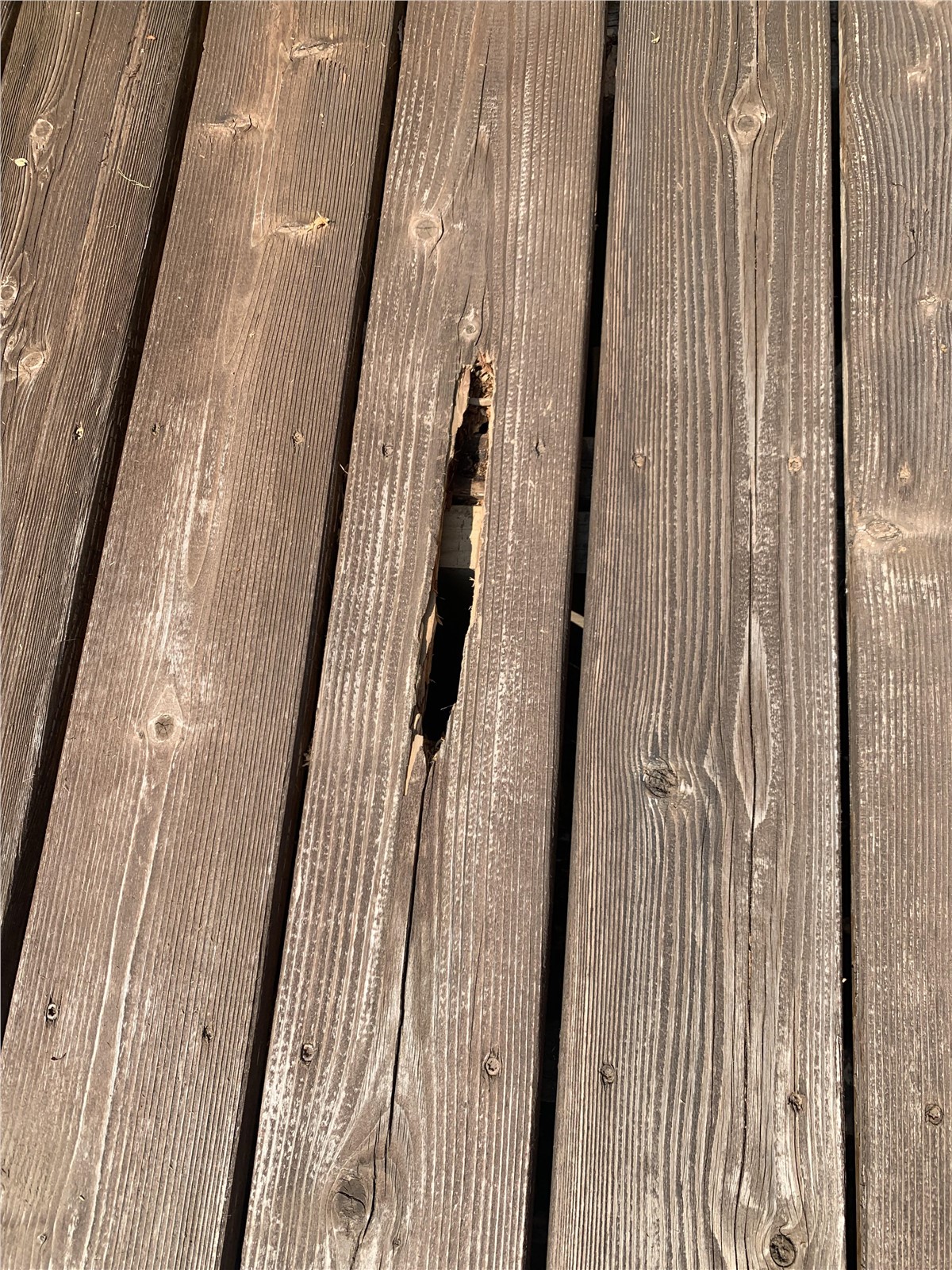
The lifespan of a deck is between 10 to 50 years. Many factors, such as how a deck is installed, weather conditions, and routine maintenance, affect its lifespan; these are the typical lifespans of decks based on the material used:
Composite: 25–30 years
Pressure-Treated Wood: 10–15 years
Cedar/Redwood: 15–20 years
PVC: 30–50 years
Still have questions about your home maintenance? Are you ready to start a replacement project to upgrade your home? Come get expert answers in person at our Spring Fling event!
When: Saturday, March 28th, from 10:00 AM to 3:00 PM
Where: Fletcher Home Improvement Showroom - 3110 Cowan Blvd. Fredericksburg, VA 22401
Experience a blend of professional expertise and local entertainment at our upcoming Spring Fling. Enjoy live radio coverage, local food trucks, and family-friendly activities, including a visit from our associates from the Fredericksburg Nationals! While you’re here, explore our showroom to find inspiration for your next home project. Our team of experts will be on-site to answer your home improvement questions in a relaxed, festive atmosphere. We look forward to welcoming you and your family!

Tags
Subscribe to Fletcher Home's Blog






Comments